
Leadership Transition at the Federal Reserve: Kevin Warsh Succeeds Jerome Powell as Chair
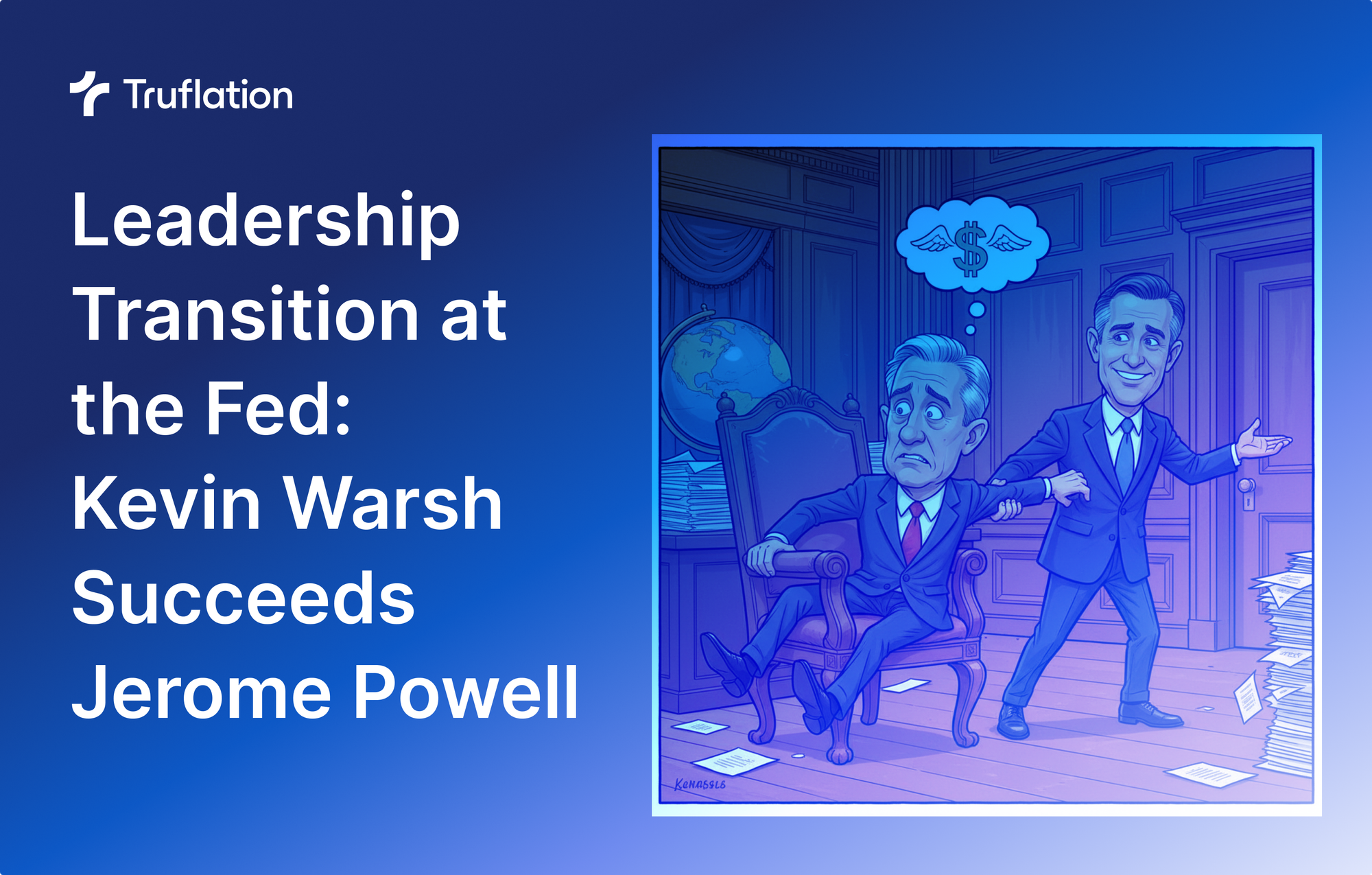
Today, May 15, 2026, marks one of the most-watched leadership handovers at the Federal Reserve in years. Jerome Powell’s 2nd 4-year term as Chair officially wraps up today, and Kevin Warsh is stepping straight into the big seat after the Senate confirmed him 54-45 on May 13.
That vote? Narrow, partisan, and the tightest for a Fed Chair in modern history. Politics is definitely in the room.
But here’s the full picture: Warsh takes over as Chair immediately, while Powell sticks around as a regular Governor through at least January 2028. Smart move — it keeps institutional knowledge in the building during a wild time of resurgent inflation, geopolitical headaches, and plenty of White House noise about lower rates.
So… Who Is Kevin Warsh and What Changes Now?
Warsh isn’t exactly a stranger. He was a Fed Governor from 2006 to 2011 (the youngest ever at the time) during the Global Financial Crisis. He’s got Wall Street cred from Morgan Stanley and has been one of the sharpest critics of the post-crisis easy-money era — especially the massive QE experiments and that bloated balance sheet.
He’s called for faster runoff of the Fed’s assets, even through outright sales, and he’s open to better inflation gauges like trimmed-mean or median CPI that often paint a less alarming picture. On rates, he’s pragmatic: hawkish on long-term stability but willing to ease if AI-driven productivity gains actually raise the economy’s speed limit.
Oh, and fun fact for the crypto crowd — he once described Bitcoin as “your new gold” for younger investors. That single comment is already getting dusted off in trading rooms today.
The Powell Era in Quick Recap
Powell steered the ship through absolute chaos: COVID emergency cuts to zero, balance sheet ballooning past $8 trillion, "transitory" inflation screaming to 9.1%, then the painful but necessary hiking cycle to a 23-year high. He leaves the Chair with a mixed but respectable legacy — restored credibility after the 2021–22 inflation miss, avoided a deep recession, and stayed laser-focused on the dual mandate.
Now the baton passes.
What to Watch in the Warsh Era
Warsh inherits a divided FOMC, with Powell still voting in the near term. His first big test comes at the June 16–17 FOMC meeting.
Headwinds on deck:
- Inflation ticking back above 3% (energy and geopolitics doing their thing)
- National debt pushing toward $40 trillion
- Ongoing global tensions and price pressures riding
- Persistent calls from the administration for an easier policy
Warsh has talked about a potential “regime change” in how the Fed communicates, manages its balance sheet, and thinks about inflation targets — more emphasis on productivity-adjusted neutral rates and getting back to leaner operations.
Market Reactions to Expect
- Bonds: Faster balance-sheet runoff could push longer-term yields higher and steepen the curve. Watch that 10-year, which has already been testing above 4.5%.
- Stocks: Short-term volatility is basically guaranteed during the transition, but a credible path to lower rates (without blowing up inflation) would be bullish for risk assets — especially rate-sensitive sectors.
- Crypto: Warsh’s past comments give Bitcoin and digital assets a relatively friendly vibe from the top. Any dovish surprises on rates could add tailwinds, though real regulatory clarity still matters most.
- Dollar & Commodities: A data-dependent, independent Fed should support USD stability overall, but energy and commodity shocks will keep feeding into inflation prints.
Bottom Line
This isn’t a total revolution — the Fed’s dual mandate stays front and center — but we’re likely entering a new chapter with different tools, sharper communication, and a fresh perspective on how much accommodation the post-AI economy actually needs.
At Truflation, we’ll keep tracking real-time inflation signals that cut through the noise and give you an edge on where the data (and policy) are really heading.
The next few months — Warsh’s first speeches, the June FOMC, and fresh inflation/employment numbers — will set the tone. Data-dependent as always, but with a new voice at the helm.
What do you think — will Warsh lean more hawkish than expected, or surprise markets with productivity optimism? We’ll be watching closely and updating as this new chapter unfolds.